
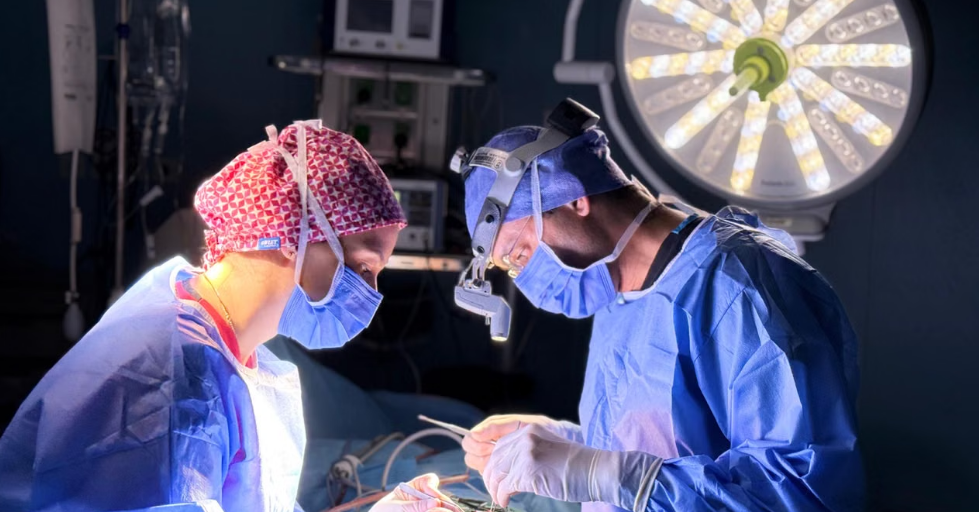
Medical Malpractice in Albania | How to Prove Healthcare Negligence and Claim Compensation
Medical malpractice can have life-changing consequences for patients and their families. When doctors, hospitals, clinics, or other healthcare providers fail to meet accepted medical standards, the resulting harm may include injury, permanent disability, or death, leading to significant physical, emotional, and financial hardship.
Whether you are a tourist, an expatriate, or an international patient who received treatment in Albania, you may have the right to pursue compensation if negligent medical care caused avoidable avoidable injury, permanent disability, or death..
This article explains:
- What medical malpractice is
- Common types of healthcare negligence
- How medical negligence claims work in Albania
- What evidence is needed to prove a claim
- What compensation can be claimed in cases of injury, permanent disability, or death?
- Your rights as an international patient
- Why immediate legal action is critical
- Frequently asked questions (FAQs)
Understanding Medical Malpractice
Medical malpractice occurs when a healthcare professional provides treatment that falls below the accepted standard of care and causes injury, contributes to permanent disability, or results in death, or worsens a patient’s existing condition.
Not every unsuccessful medical outcome constitutes negligence. Many treatments involve unavoidable risks and complications.
However, legal liability may arise when a doctor, surgeon, nurse, hospital, or clinic fails to provide the level of care expected from a reasonably competent healthcare professional and that failure causes harm.
Medical malpractice claims in Albania may involve:
- Public hospitals
- Private healthcare facilities
- Medical specialists
- Surgeons
- Dentists
- General practitioners
- Nurses
- Other healthcare providers
Common Types of Medical Negligence in Albania
Healthcare negligence can occur in many different medical settings and may result in injury, permanent disability, or death.
Surgical Errors
Surgical negligence may involve:
- Wrong-site surgery
- Unnecessary surgery
- Internal surgical injuries
- Retained surgical instruments
- Failure to monitor complications
- Inadequate post-operative care
When surgical errors occur, patients may suffer injuries, develop permanent disabilities, or, in serious cases, die as a result of complications. They may also require additional treatment, rehabilitation, or corrective procedures.
Medication Errors
Medication mistakes may occur when healthcare providers:
- Prescribe the wrong medication
- Administer an incorrect dosage
- Ignore known allergies
- Overlook dangerous drug interactions
- Fail to monitor adverse reactions
These errors can result in injury, permanent disability, or, in severe cases, death.
Birth Injuries and Maternity Negligence
Negligence during pregnancy, labour, delivery, or postnatal hospital care may cause serious injury, permanent disability, or death for both mother and child
Claims may involve:
- Failure to monitor fetal distress
- Delayed emergency intervention
- Improper delivery procedures
- Failure to respond to complications
- Failure to detect or properly assess health conditions during medical examinations
- Failure to diagnose conditions affecting the mother or child
- Avoidable birth-related injuries
- Infections or other complications acquired by the mother or child during hospital care due to inadequate hygiene, infection control, or other negligent practices
The consequences may range from temporary or treatable injuries to permanent disabilities or, in the most serious cases, the death of the mother or child.
Foreign Patients and Medical Malpractice Claims in Albania
Foreign nationals generally have the same right as Albanian residents to pursue compensation when negligent medical treatment causes injury, permanent disability, or death.
Medical malpractice claims frequently involve:
- Tourists receiving emergency treatment
- International visitors
- Expatriates living in Albania
- Foreign workers
- International students
- Medical tourism patients
Cross-border claims can be more complex because treatment often continues after the patient returns home. Legal coordination may be necessary to gather medical evidence and calculate the losses and compensation arising from the injury, permanent disability, or death accurately.
Key Elements Required in a Medical Malpractice Claim
Successful healthcare negligence claims typically require proof of four key elements.
Duty of Care
The healthcare provider must have owed a professional duty of care to the patient.
This duty generally exists whenever treatment is provided by a doctor, hospital, clinic, or healthcare professional.
Breach of Medical Standards
The patient must show that the healthcare provider failed to meet accepted professional standards.
This often requires independent expert medical evidence.
Causation
It must be demonstrated that the negligence caused the patient’s injury, contributed to a permanent disability, or caused or contributed to the patient’s death, or significantly worsened the patient’s condition.
Damages
The patient must have suffered measurable harm or losses as a result of the negligence. Where the negligence results in death, eligible family members may, in certain circumstances, be entitled to pursue compensation for losses arising from the death.
Examples may include:
- Medical expenses
- Future treatment costs
- Loss of earnings
- Permanent disability and associated care or support needs
- Pain and suffering
- Psychological harm
- Reduced quality of life
- Losses suffered by eligible family members following a death
Evidence Needed to Prove Medical Negligence
Strong evidence is essential in any medical malpractice claim and can be particularly important where the consequences include permanent disability or death.
Medical Records
Medical records often provide the most important documentation regarding treatment decisions and patient care.
These may include:
- Hospital records
- Consultation notes
- Admission records
- Discharge summaries
- Nursing notes
- Medication and prescription records
- Surgical and procedure records
- Records relating to complications or emergency treatment
Diagnostic Reports
Relevant diagnostic evidence may include:
- MRI scans
- CT scans
- X-rays
- Blood tests
- Pathology reports
- Specialist assessments
- Pre-treatment and post-treatment diagnostic results
Comparing diagnostic results and medical assessments before and after treatment may help establish whether a condition was missed, worsened, or caused by negligent treatment.
Independent Medical Expert Opinions
Medical experts may evaluate:
- Whether accepted standards were followed
- Whether treatment decisions were appropriate
- Whether the healthcare provider’s actions or omissions constituted negligence
- Whether negligence caused the injury, contributed to permanent disability, or caused death
- The long-term consequences of the harm suffered
Treatment History
Ongoing treatment records can demonstrate the extent and long-term impact of medical negligence, particularly where the patient suffers a permanent disability or requires continuing medical care.
In cases involving death, relevant medical records and reports may also help establish the medical cause of death and whether negligent treatment contributed to it.
Financial Documentation
Patients should retain evidence of:
- Medical expenses
- Rehabilitation costs
- Travel expenses related to treatment
- Lost income
- Costs associated with permanent disability
In cases involving death, relevant financial documentation may also include evidence of losses suffered by eligible family members.
What Compensation Can Be Claimed?
Compensation is intended to help a person who suffered an injury or permanent disability recover the financial losses and other harm caused by medical negligence, as far as money can do so, and to approximate the position they would have been in if the negligent medical treatment had not occurred.
In cases resulting in death, eligible family members may, in certain circumstances, be entitled to pursue compensation for losses and other harm arising from the death.
The compensation that may be available depends on the circumstances of the case and may include financial losses, medical and care costs, loss of income, and compensation for physical and emotional harm. In cases involving permanent disability or death, additional losses and long-term consequences may also be relevant.
Medical Expenses
Compensation may include:
- Past and future medical treatment and procedures
- Medication costs
- Rehabilitation expenses
- Specialist consultations
- Diagnostic tests and follow-up examinations
Long-Term Care Costs
Where medical negligence results in permanent disability, compensation may include future care and assistance needs, including ongoing medical treatment, rehabilitation, personal assistance, specialized equipment, or other necessary support.
Lost Income
Patients may recover compensation for:
- Lost wages
- Reduced earning capacity
- Future income losses
Where permanent disability affects a person’s ability to work, compensation may also take into account its impact on future earning capacity.
Pain and Suffering
Compensation may reflect:
- Physical pain
- Emotional distress
- Psychological harm
- Reduced enjoyment of life
- The impact of permanent disability on daily life and personal independence
Loss of Quality of Life
Serious injuries can affect:
- Personal independence
- Family relationships
- Career opportunities
- Daily activities
- Overall well-being
Losses Arising from Death
In cases resulting in death, eligible family members or dependants may, in certain circumstances, be entitled to pursue compensation for financial losses and other harm arising from the death.
Compensation may, depending on the circumstances and applicable law, include:
- Loss of financial support or dependency
- Loss of the deceased person’s future income or contribution to the household
- Funeral and related expenses
- Other legally recognized financial losses
- Other harm suffered by eligible family members, where applicable
Why Immediate Legal Action Is Critical
Medical malpractice claims are often among the most complex types of compensation claims.
Hospitals and insurers frequently challenge:
- Liability
- Causation
- Medical evidence
- The value of damages
Immediate legal advice can help:
- Preserve evidence
- Secure medical records
- Obtain expert opinions
- Assess liability
- Build a stronger claim
- Assess the extent of injury, permanent disability, or losses arising from death
Immediate legal action is particularly important when treatment continues across multiple countries or healthcare systems.
Were you injured, left with a permanent disability, or did a family member die because of medical negligence in Albania or while receiving treatment from an Albanian or international healthcare provider located in Albania?
You do not need to deal with hospitals, insurers, or legal complexity alone.
We can evaluate your case and explain:
- Whether you have a valid medical malpractice claim
- The types of compensation that may be claimed
- The potential value of your claim, based on the available information
- Required evidence (medical, diagnostic, and treatment documentation)
- Legal next steps based on where the treatment occurred and your circumstances
Contact us today for a confidential case evaluation and compensation assessment. We investigate the case, gather evidence, and assess your claim at no cost and fully remotely.
Immediate legal action can significantly affect compensation results.
Frequently Asked Questions
Can tourists file medical malpractice claims in Albania?
Yes. Tourists who suffer injury or permanent disability due to negligent medical treatment in Albania may be entitled to seek compensation, even after returning to their home country.
If medical negligence results in death, eligible family members may, in certain circumstances, be entitled to pursue compensation for losses arising from the death.
Can international patients claim medical malpractice compensation after leaving Albania?
Yes. Many healthcare negligence claims are pursued after the patient has returned home. Medical records, expert reports, and legal representation can often be coordinated internationally.
If medical negligence has resulted in permanent disability, the patient may continue to pursue compensation after returning home, including for long-term medical treatment, care, assistance, and other related losses.
What evidence is needed to prove medical negligence?
Important evidence may include:
- Medical records
- Hospital documentation
- Diagnostic reports
- Treatment history
- Evidence of financial losses and expenses
- Independent medical expert opinions
Is expert medical evidence required?
In most cases, yes. Independent medical experts are often needed to determine:
- Whether accepted medical standards were breached
- Whether negligence occurred
- Whether the negligence caused caused the injury, contributed to permanent disability, or caused death
Can I bring a claim for a surgical error?
Yes. Surgical negligence claims may arise from wrong-site surgery, avoidable surgical complications, retained instruments, or inadequate post-operative care. Depending on the circumstances, the consequences may include injury, permanent disability, or death.
What compensation is available in a medical malpractice claim?
Depending on the circumstances, compensation may include:
- Medical expenses
- Rehabilitation costs
- Past and future medical treatment and procedures
- Lost income
- Pain and suffering
- Long-term care needs
- Loss of quality of life
- Losses arising from death, including losses suffered by eligible family members where applicable
How long do medical malpractice cases take?
The time-frame depends on:
- The complexity of the case
- The nature and severity of the harm
- The availability of medical evidence
- Whether liability is disputed
Complex claims often require detailed expert analysis and can take longer to resolve.
What should I do if I believe I was injured by medical negligence?
You should:
- Seek appropriate medical treatment
- Seek legal advice as soon as possible
- Obtain copies of your medical records
- Preserve evidence of expenses and losses
- Document your symptoms and recovery
If the medical negligence has resulted in permanent disability, continuing treatment or rehabilitation should also be documented. In cases involving death, relevant medical and financial documentation should be preserved, including documents relating to the deceased person’s treatment and the losses suffered by eligible family members.
Do private hospitals and clinics have the same legal responsibilities as public hospitals?
Yes. Both public and private healthcare providers may be held legally responsible if negligent treatment causes injury, results in permanent disability, or causes or contributes to death, subject to the applicable legal requirements.
Can family members bring a claim on behalf of an injured patient?
In certain circumstances, eligible family members may be entitled to pursue compensation for losses and other harm arising from a death caused by medical negligence. The availability and scope of such a claim depend on the circumstances and applicable law.
Why should I speak with a lawyer as soon as possible?
Immediate legal advice can help protect your rights, preserve evidence, identify potential compensation, and avoid mistakes that could weaken a future claim.
Taking immediate legal advice can be particularly important in cases involving permanent disability or death, where the long-term consequences and potential losses may be substantial.